Apartment Dog Cleanup: The 2026 Pooper Scooper Guide
Living in a condo or apartment with a dog means you trade a big backyard for convenience, but it also means every walk ends with a cleanup decision. Apartment dog cleanup is less forgiving than yard cleanup because there’s no grass to hide a missed spot and no hose to rinse a balcony patch. A reliable pooper scooper routine, the right bags, and a plan for odor control are what keep small-space dog ownership pleasant for you, your neighbors, and your property manager in 2026.
This guide walks through the realistic, everyday logistics of scooping in a building where the “yard” might be a shared courtyard, a balcony potty patch, or a sidewalk strip three floors down from your unit. We’ll cover gear, HOA etiquette, indoor odor control, and a step-by-step routine you can actually stick to.
Why Apartment Dog Cleanup Is Different
In a house, a missed pile is a weekend problem you fix before mowing. In an apartment building, it’s an immediate problem. Hallways, elevators, and shared courtyards mean waste sits in a high-traffic space where dozens of neighbors will walk past it within minutes.
Homeowners associations and property managers have also gotten stricter. Many buildings now require proof of pet registration, pet deposits, and documented compliance with pooper scooper rules before you’re allowed to bring a dog into a shared building at all. A single unaddressed incident can trigger fines or even threaten your lease.
What Every Small-Space Dog Owner Needs in Their Cleanup Kit
The right tools turn a stressful, smelly chore into a 30-second task. For apartment living, bulk matters less than portability, grip, and odor containment. Here’s what belongs in a compact, grab-and-go kit by the front door.
- A long-handled, no-bend scooper for balcony patches and courtyard grass strips
- Heavy-duty, leak-proof waste bags that won’t tear on gravel or mulch
- A clip-on bag dispenser for the leash so you never leave without supplies
- A small container of odor-neutralizing spray for the balcony or patio area
- Disposable gloves for shared-space cleanups where hands-off tools aren’t practical
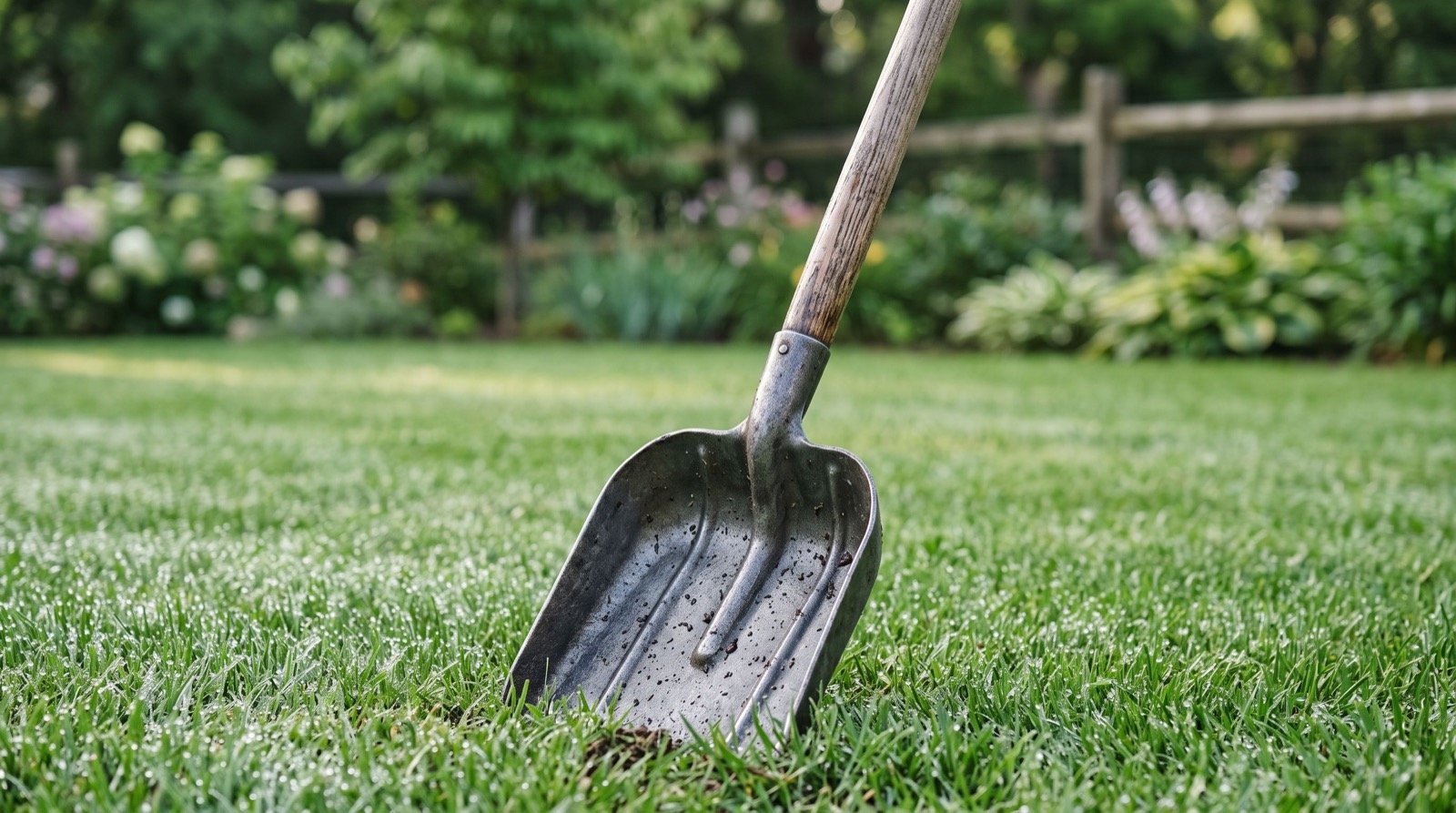
For anyone who splits time between elevator rides, sidewalk walks, and a balcony potty patch, the Arm and Hammer Pooper Scooper is built exactly for this. It’s lightweight enough to hook on a leash bag, long enough that you’re not bending over in a hallway, and the jaw design grips waste cleanly on concrete, turf mats, or gravel trays without leaving residue behind.
How Do You Handle a Balcony Potty Patch Without Smell Complaints?
Balcony potty patches are one of the biggest wins for apartment dog owners, especially with senior dogs, small breeds, or anyone living above the fourth floor. But an unmanaged patch turns into an odor source fast, and smell travels through open windows and shared ventilation.
Follow this sequence every time your dog uses the patch, and odor complaints become a non-issue.
- Scoop solid waste within minutes of your dog going, not at the end of the day
- Rinse the artificial turf or gravel tray with a pet-safe enzyme cleaner weekly
- Air-dry the patch fully before your dog’s next use to prevent bacterial buildup
- Bag and seal waste immediately using a leak-proof bag, then move it to the trash chute
- Wipe down the tray edges monthly to catch residue the rinse misses
Skipping the immediate scoop step is the single biggest cause of balcony odor complaints in multi-unit buildings. Bacteria start breaking down waste and releasing smell within the first hour, so speed matters more than any spray or cleaner you add afterward.
Indoor Odor Control That Actually Works
Odor control indoors is a different challenge than outdoor cleanup because you can’t just walk away from the smell. A few habits make a measurable difference in a small apartment.
First, store used bags in a sealed, odor-locking container rather than an open bin, and empty it daily rather than every few days. Second, keep a small enzyme-based cleaner on hand for any accidents on carpet or hardwood, since enzyme cleaners break down the waste compounds instead of just masking them. Third, run a HEPA air purifier near the entryway if your dog’s cleanup station lives close to your living space.
HOA and Lease Rules: What Most Buildings Actually Require
Every building is different, but most HOA and lease pet clauses in 2026 share a common structure. Knowing the pattern helps you stay compliant without re-reading a 40-page document every time a rule seems unclear.
| Rule Category | Typical Requirement | Apartment Owner Tip |
|---|---|---|
| Cleanup timing | Immediate removal in common areas | Carry a scooper and bags on every walk, no exceptions |
| Disposal method | Sealed bag in designated waste station | Never use interior trash chutes for open bags |
| Balcony/patio use | Must be pre-approved in writing | Get approval in the lease, not verbally |
| Odor complaints | Grounds for written warning | Address the source within 24 hours |
| Repeat violations | Fines or pet privilege revocation | Keep a personal log of your cleanup routine |
If your building has a driveway, courtyard, or shared paved area that needs regular attention beyond routine scooping, it’s worth bringing in an experienced local team to handle surface maintenance so waste residue and staining don’t build up over time in high-traffic pet zones.
Building a Daily Pooper Scooper Routine That Fits a Busy Schedule
Consistency beats intensity. A quick, predictable routine will keep your apartment dog cleanup compliant and odor-free without eating up your evening.
Try anchoring cleanup to existing habits: scoop the balcony patch right after your morning coffee, carry bags on every elevator ride down, and do a five-minute odor check before bed. Small, repeated actions prevent the buildup that leads to bigger, smellier problems later.
For dog owners managing multiple potty spots between a balcony patch and outdoor walks, the Gogostik lineup covers both ends of that routine, from long-handled scoopers for grass and gravel to heavy-duty bags built to survive an apartment’s daily wear and tear without splitting or leaking.
The Health Case for Fast, Thorough Cleanup
Beyond etiquette and lease compliance, prompt waste removal matters for public health. According to EPA guidance on pet waste management, dog waste left on the ground can carry bacteria and parasites that contaminate soil and water runoff, which is especially relevant in dense apartment complexes where shared green space drains into common storm systems. Scooping quickly and disposing of waste properly isn’t just courtesy, it’s a real contribution to a cleaner shared environment.
Frequently Asked Questions
What’s the best pooper scooper for a small apartment balcony?
A compact, long-handled scooper with a narrow jaw works best on balcony patches, since it lets you clean artificial turf or gravel trays without kneeling or bending in a tight space. Look for one with a non-stick surface so waste releases cleanly and doesn’t require extra scrubbing.
How often should I clean a dog potty patch on my balcony?
Solid waste should be scooped within minutes of your dog going, and the patch itself should get a full rinse with a pet-safe enzyme cleaner at least once a week. In hot or humid climates, twice-weekly rinsing keeps odor from building up between cleanings.
Can my landlord fine me for dog waste on the balcony?
Yes, most leases and HOA agreements in 2026 treat unmanaged pet waste, including odor complaints from a balcony patch, as a lease violation that can result in a written warning or fine. Reviewing your lease’s pet clause before setup avoids surprises.
What’s the fastest way to control dog waste odor indoors?
Seal used waste bags in an odor-locking container and empty it daily, use an enzyme cleaner on any indoor accidents right away, and run an air purifier near the cleanup area. Together these three habits handle the majority of indoor odor complaints in apartments.
A Practical Tip Worth Repeating
Keep a second, smaller scooper and a mini bag dispenser inside your apartment near the balcony door, separate from the one you carry on walks. Apartment dog owners who split their gear this way report far fewer missed cleanups, because there’s no need to remember gear or retrieve it from a hallway closet before a balcony break. The two-kit system removes the friction that causes delayed scooping, which is the root cause of most odor and HOA complaints.
Apartment and small-space dog ownership works well in 2026 when cleanup becomes a fast, built-in habit rather than an afterthought. With the right pooper scooper, a sealed disposal system, and a clear understanding of your building’s rules, you can keep your unit, your balcony, and your relationship with your neighbors odor-free and compliant.